From Copiers to AI: The Technology Evolution of Research Administration and Why Adoption Matters
Research administration has always been a profession defined by reaction. New regulations arrive and we react.


Research administration has always been a profession defined by reaction. New regulations arrive and we react.
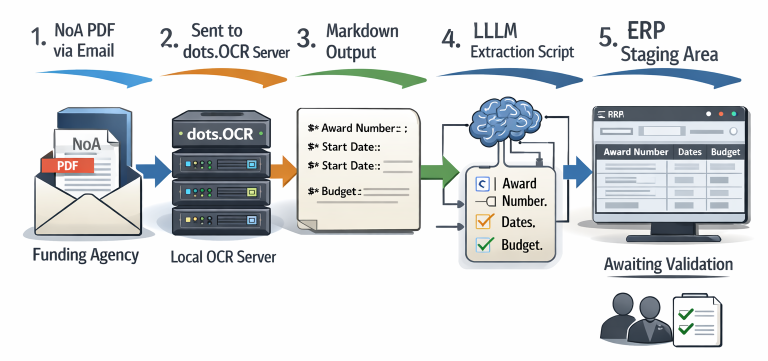
University research departments receive billions of dollars in federal grants each year, but managing those grants is surprisingly old-fashioned. When a university gets a grant award, the official notice arrives as a PDF, and staff have to manually copy all the important details
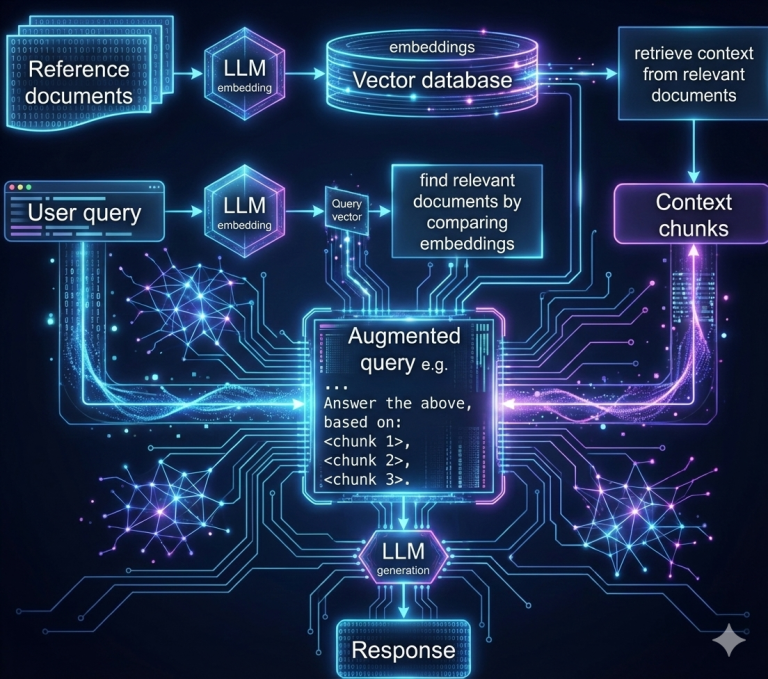
Structured RAG, presented by Python creator Guido van Rossum at PyBay 2025, addresses a fundamental limitation of classic RAG: the loss of relationships between information fragments. Instead of embedding raw text into vectors, structured RAG extracts entities, relationships, and actions from conversations and stores them in queryable databases with inverted indices.
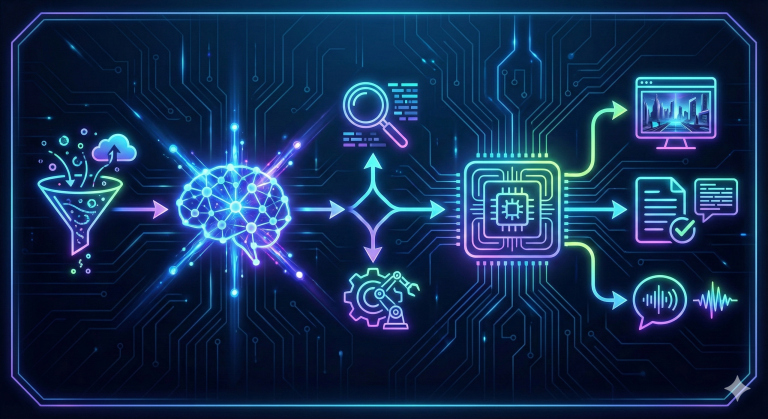
In this guide, you’ll learn how to build your first workflow by following a real-world example — creating a Request for Applications (RFA) checklist from start to finish.

The research enterprise is never static, and neither are the Research Administration (RA) offices that work to turn its gears. RA offices are always responding to shifting conditions in the field, such as developing compliance requirements and growth in their institutions’ research portfolios.

Chris Nomura, U of I’s Vice President for Research and Economic Development, received the award for his role in advancing the university’s Office of Research and Economic Development and its AI and Data Science Team.

By Jason Cahoon, Nathan Layman and Dashiell Tyler Central to the AI4RA project is the development of open-source artificial intelligence (AI) tools that are designed to augment Research Administration (RA) workflows. Technological augmentation is in high demand across the RA field, as Research Administrators (RAs) navigate evolving research and data environments. AI tools show exciting…

U of I Awarded $4.5 Million from the NSF GRANTED Program to Develop Generative AI Tools for Research Administration